
 by
by Workplace safety isn’t just about following regulations; it’s about protecting the lives and livelihoods of hardworking individuals across industries. In Sri Lanka’s growing industrial landscape, one fundamental aspect of worker protection often overlooked is proper footwear.
Safety shoes in Sri Lanka have become increasingly crucial as manufacturing, construction, and industrial sectors expand nationwide.
Why Safety Shoes Matter in Sri Lankan Industries
Sri Lanka’s diverse work environments, from bustling construction sites in Colombo to tea plantations in the hill country, present unique hazards to workers’ feet. Heavy machinery, sharp objects, slippery surfaces, and falling materials pose daily risks that ordinary footwear simply cannot protect against.
Safety shoes serve as the first line of defense against:
- Crushing injuries from heavy objects or equipment
- Electrical hazards in industries working with live circuits
- Slip and fall accidents on wet or oily surfaces
Choosing the Right Safety Footwear for Your Team
Selecting appropriate protective footwear requires understanding your specific workplace hazards. Different industries demand different safety features, and investing in the wrong type can leave workers vulnerable.
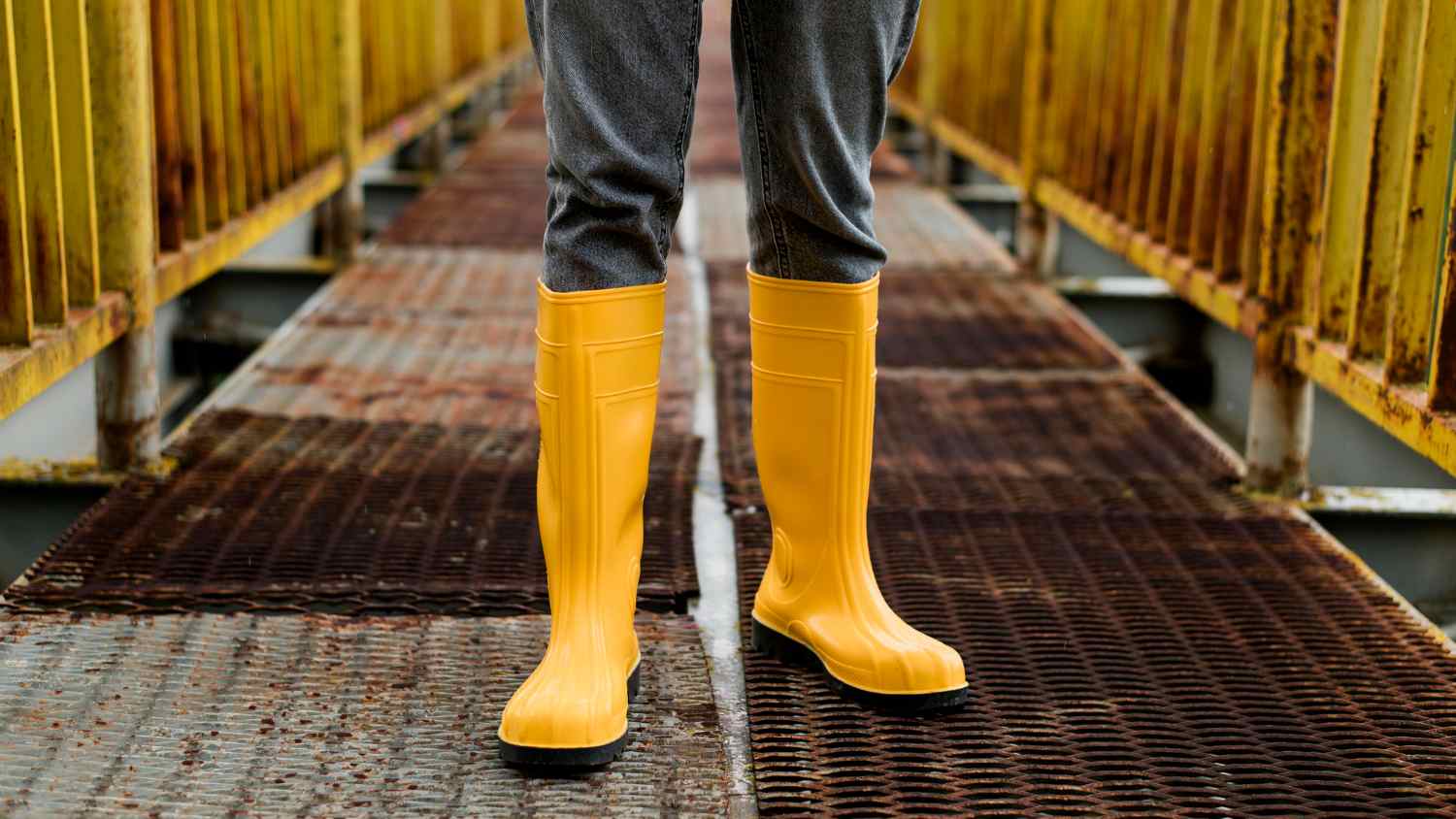
Understanding Safety Shoe Classifications
Different work environments require specific protection levels. Safety shoes are classified based on their protective features, from basic toe protection to advanced chemical resistance. Understanding these classifications helps employers select appropriate footwear that matches their workplace hazards, ensuring workers receive adequate protection without overspending on unnecessary features.
Key Features to Consider
When shopping for safety shoes, look for certifications that meet international standards. Steel-toe caps remain popular, though composite materials offer lighter alternatives without compromising protection. The sole material matters tremendously; rubber provides excellent slip resistance, while polyurethane offers superior comfort for workers standing long hours.
Water resistance becomes essential for outdoor workers facing Sri Lanka’s monsoon seasons. Breathable materials prevent foot problems in our tropical climate, where moisture buildup can lead to fungal infections and discomfort.
Comfort Equals Compliance
Here’s an important truth: the safest shoes are the ones workers actually wear. If footwear causes blisters, excessive sweating, or foot pain, employees will find excuses to remove them, defeating their protective purpose entirely. Modern safety shoes balance protection with ergonomic design, ensuring all-day wearability.
Making Safety Shoes a Workplace Priority
Implementing a proper safety footwear program demonstrates an employer’s commitment to worker welfare. Regular inspections ensure shoes remain in good condition, as worn-out safety features provide false security. Educate your team about proper usage, cleaning, and storage to maximize footwear lifespan.
Considering your industry’s specific requirements, warehouse workers need different protection than welders or agricultural laborers. Investing in quality safety shoes reduces workplace injuries, minimizes compensation claims, and most importantly, ensures every worker returns home safely to their families each day.
Protecting your workforce starts from the ground up. Make safety shoes a non-negotiable part of your workplace safety culture today.


