by
by I’ve spent time looking at the sleep optimisation category — the devices, the supplements, the protocols — and the one thing that strikes me consistently is how much variation exists between products that are technically in the same category. Best sleep tapes is a good example. The mechanism is simple: adhesive tape that keeps the mouth closed during sleep, encouraging nasal breathing. The concept is sound and backed by reasonable evidence. But the quality of the actual products varies in ways that matter quite a lot in practice.
The case for mouth taping during sleep comes down to the difference between nasal and mouth breathing. Nasal breathing filters and humidifies air, produces nitric oxide (which has vasodilatory effects), and is associated with better oxygen uptake efficiency during sleep. Mouth breathing bypasses these benefits and is associated with dry mouth, disturbed sleep, and for some people, worse snoring and more disrupted sleep architecture.
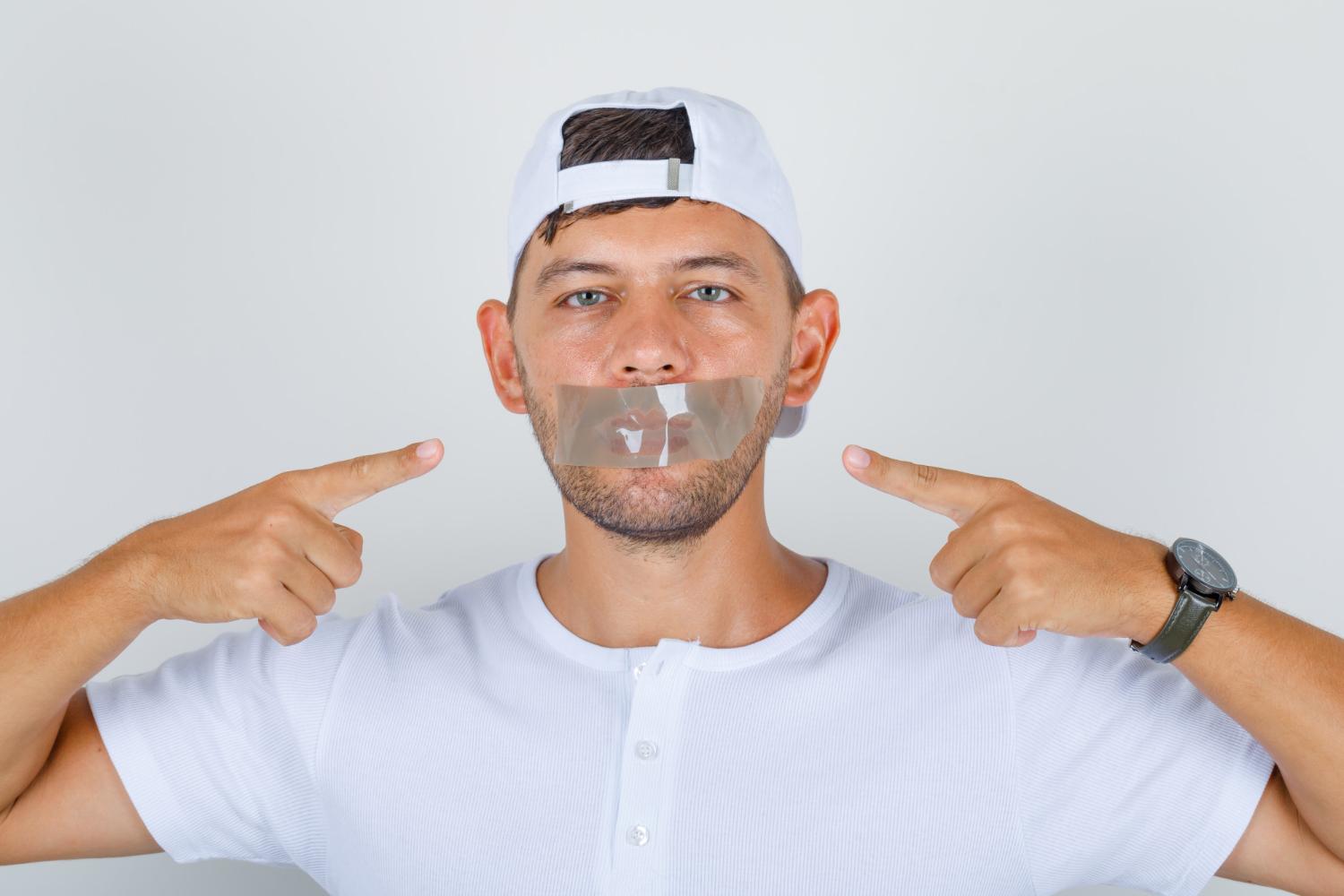
The questions worth asking when evaluating best sleep tapes options:
- How strong is the adhesive, and does it hold through the night without causing skin irritation? Products that peel off in the first few hours are essentially useless for the purpose
- What is the tape dimension and shape — a small central strip is less uncomfortable for first-time users than a full-mouth covering; both work but the experience differs
- Does the formulation work on different skin types? Sensitive skin reacts to some adhesives even when marketed as gentle
- Is the tape easy to remove in the morning without skin damage or residue? Removal experience matters when you’re using a product every night
- Does the tape allow emergency mouth opening if needed? For first-time users especially, this reassurance affects whether the product actually gets used consistently
Consistency is the point. Best sleep tapes that you use every night for three months produce a different result than the ones you use occasionally when you remember. I’ve found that the products that combine adequate adhesion with genuine skin gentleness get used regularly. The ones that sacrifice one for the other don’t. That’s the filter that matters more than any other specification.
The consistent feedback from people who’ve settled on their preferred mouth tape product is that getting through the first two weeks — when the habit is still new and the adhesion feels unfamiliar — is the main challenge. After that, it becomes routine. The best sleep tapes for consistent long-term use are the ones that make those first two weeks as comfortable as possible, which means getting the adhesive strength right for your skin type and starting with a less covering format.